
History
Back to NewsroomGraffiti made by Australian soldiers discovered in Bray-sur-Somme
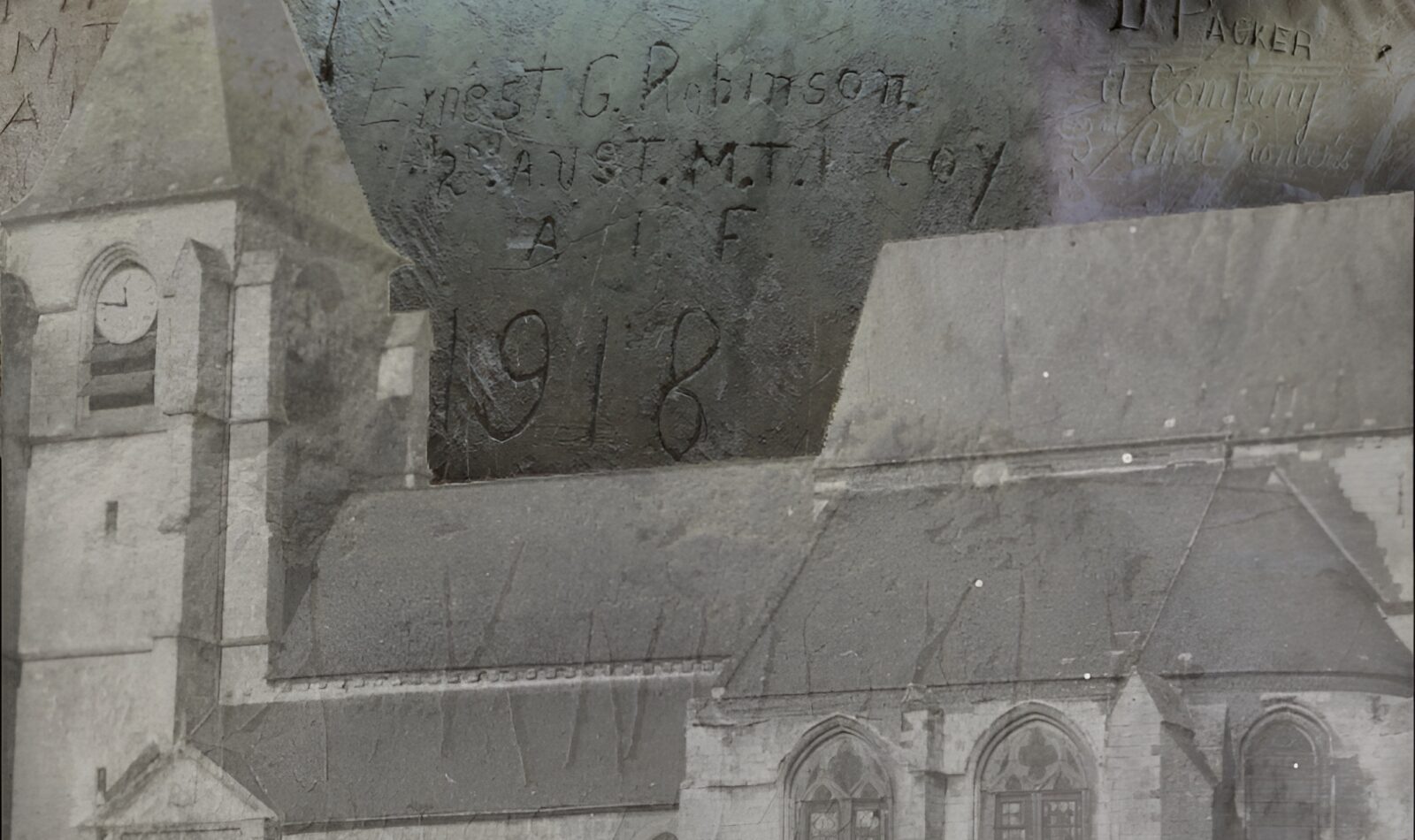
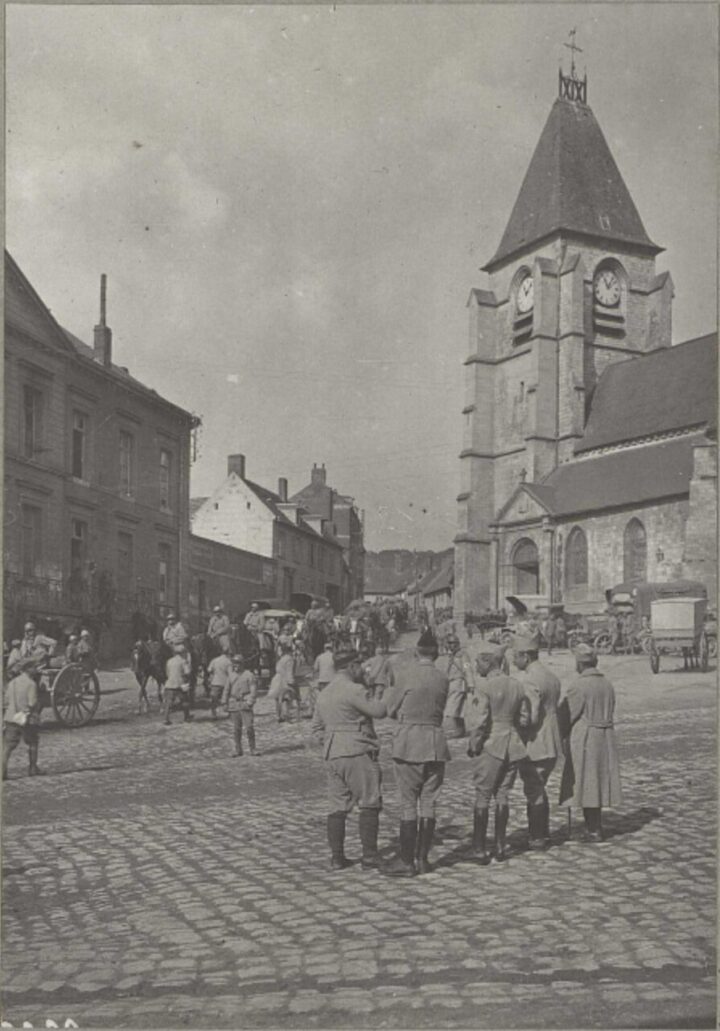
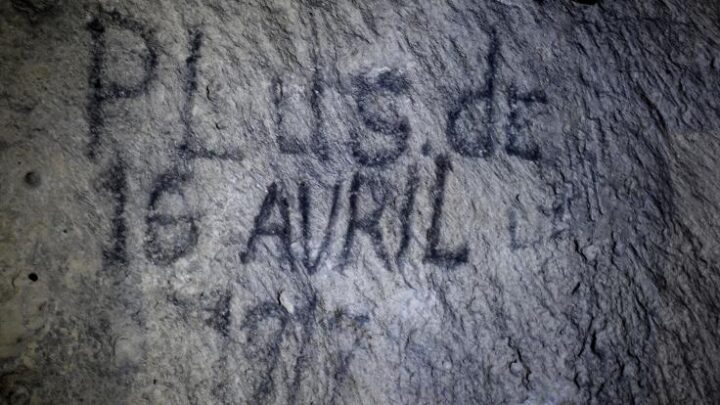
When the First World War broke out, soldiers from all over the world were mobilised as a result of the political alliances that had been formed. Whether they were resting in rear areas, far from the fighting, or close to the battlefields, many of them left their mark on walls, structures and buildings. Since the centenary of the First World War, more and more of these graffiti have been brought to light by historians, archaeologists and individual enthusiasts.
Determined to promote and preserve these relics for future generations, they are investigating the history of these soldiers who came from all over the world. Recently, new graffiti, including from Australian soldiers were discovered in Bray-sur-Somme.
In August 2025, a large treasure hunt was held in Bray-sur-Somme around the town’s church. Visitors were given the name of a soldier and had to question Australian, French and German soldiers – played by actors – who guided their search towards the goal of finding traces of their soldier, engraved by him in the church. This event was inspired by the discovery two years earlier of around forty graffiti inscriptions in the church tower, left by soldiers of all nations during the First World War.
Between 1914 and 1918, the village of Bray-sur-Somme was occupied in turn by the Germans and then the Allies, as the front line advanced and retreated. The town was successively usedas a medical centre, field hospital, ammunition depot and training area.
A team of specialists in graffiti from this period is now carrying out research to identify the soldiers who signed these walls and is calling on the community to help digitise the graffiti in the hope of sharing it with the public by the 110th anniversary of the Battle of the Somme.
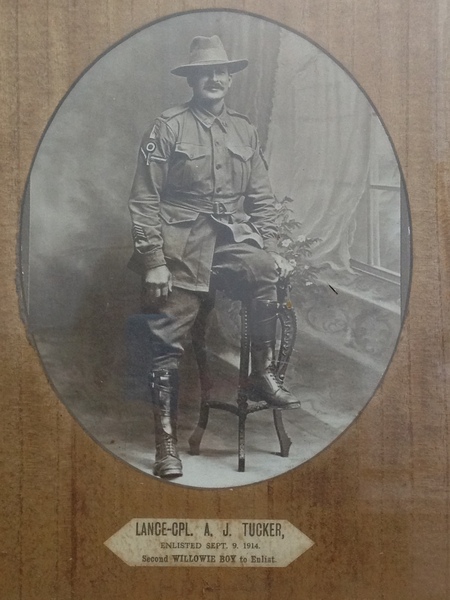
To date the team has identified the following soldiers from the Australian Imperial Force:
- Corporal Ralph HAKEN, service number 1428
- Private Hugh Francis KNUCKEY, service number 1563
- Private William Edward BEYER, service number 151
- Bertie WILLIAMS, service number 1230
- Private Gordon Monroe DINGWALL, service number 594
- Staff Sergent Ernest George ROBINSON, service number 1468
- Private William Edward PYM, service number 7560
- Lance Corporal Arthur John TUCKER, service number 2380
- Private David PACKER, service number 3579
It was not uncommon for soldiers to draw or sign their names on the walls of the tunnels and structures where they were stationed. Waiting was an inherent part of everyday life for soldiers in the First World War and drawing or writing were ways of passing the time and making it more bearable.
Other locations on the Western Front have also uncovered numerous examples of graffiti, such as the church in Bouzincourt, near Albert, the citadel of Doullens, and the Belfry of Amiens, where signatures and an engraving of a kangaroo and an emu – as depicted on the Australian coat of arms – were found. Graffiti has also been discovered in strategic locations on the front lines where troops from both sides were stationed for weeks on end: the Wellington quarry in Arras near the Hindenburg Line, the Fort de Douaumont in the Verdun sector, and the Caverne du Dragon and Froidmont quarry beneath the Chemin des Dames, are places where several thousand inscriptions have been uncovered.
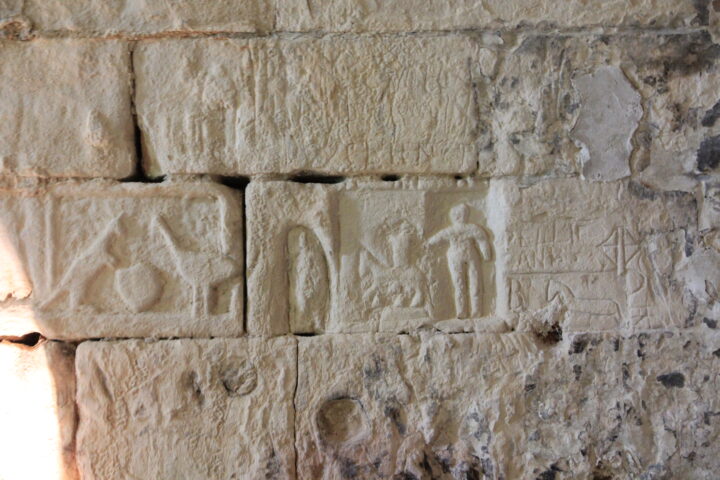
In northern France, the largest concentration of these graffiti can be found in the Underground City of Naours. Nearly 3,200 of them were discovered and catalogued by archaeologist Gilles Prilaux in 2014. Between 1914 and 1918, many soldiers on leave, who were unable to return home due to the distance, took advantage of their stay in Picardy to stop off at Naours, which had become a local tourist attraction due to its unusual network of underground passages. Many of them left their mark there during their visit. Research following this discovery has identified many of these men, their faces and their stories, giving rise to the Interpretation Centre, adjacent to the Underground City, which tells the story of these ‘Travelling Soldiers’.
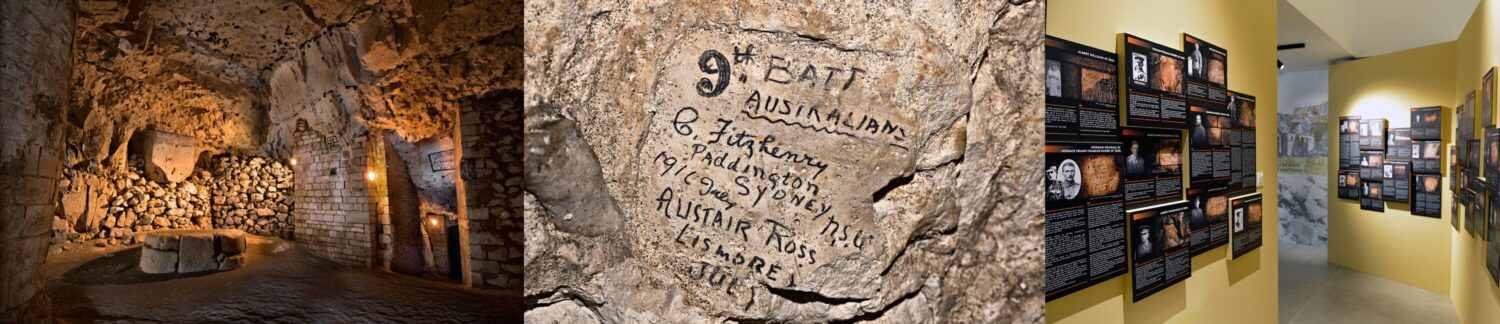
As leading experts on this subject, the team at the Underground City of Naours is now working with the team at Bray-sur-Somme to assist them in their research and identification work. They are currently seeking a partnership with a school or institution that would be able to digitise these inscriptions to ensure their preservation for posterity.
As part of this initiative to research and identify the history of these soldiers, we are calling on you: if you or someone close to you has a family connection to these soldiers and would like to contribute to telling their story, or if you have made a discovery similar to these graffiti, you can contact us via our contact form, via our email address [email protected] or by telephone on +33 3 60 62 01 40.