Travel
Back to NewsroomPéronne and the Historial of the Great War
Péronne has suffered repeated destruction throughout its history, from Viking invasions in the early Middle Ages to German bombing during the Second World War. Today, it is recognised as an important institution for the preservation, transmission and study of the history of the First World War.
History
Péronne has suffered repeated destruction throughout its history, from Viking invasions in the early Middle Ages to German bombing during the Second World War. Today, it is recognised as an important institution for the preservation, transmission and study of the history of the First World War.
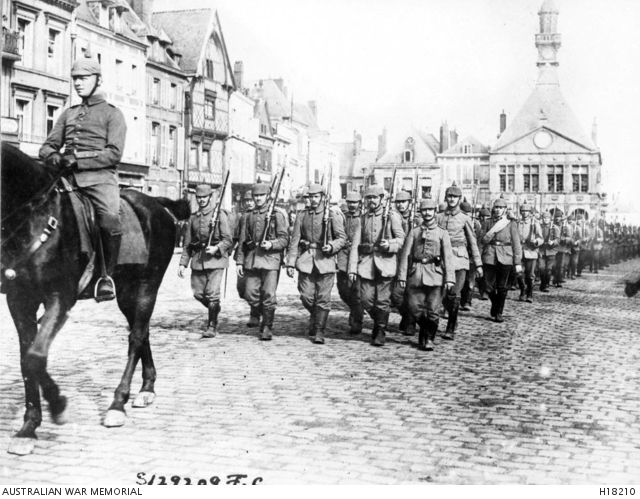
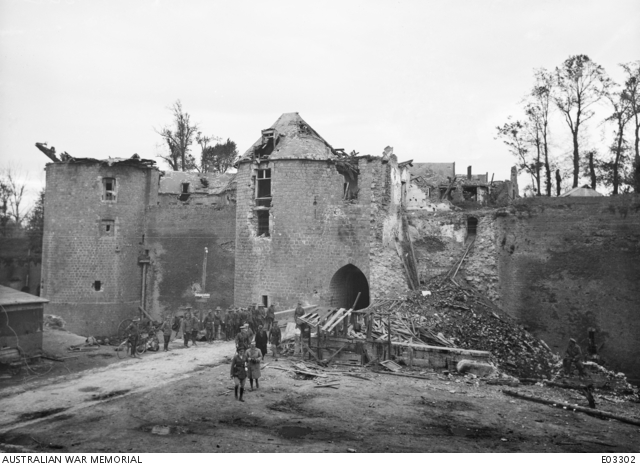
At the very outset of the war, on 28 August 1914, Péronne fell under German control until 15 September, following the Battle of the Marne. On 23 September, German forces reoccupied the town and remained there until March 1917, when they withdrew to the Hindenburg Line.
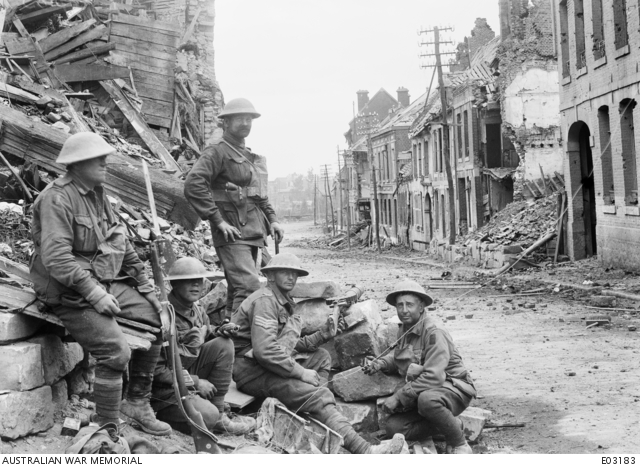
Reoccupied from March 1918, the town was finally liberated in early September 1918 during the Hundred Days Offensive, by Allied forces, notably the troops of the 2nd Australian Division, alongside the former village of Mont Saint-Quentin on the hill of the same name.
These repeated shifts in the front line devastated the town, making it a symbolic theatre of the Somme during the First World War.
Since then, and in memory of the suffering caused by the war, the bells of Péronne Town Hall ring out La Madelon, a popular French song from the First World War, every day.
Click here to find out more about the battles of Péronne and Mont Saint-Quentin.
The Historial of the Great War
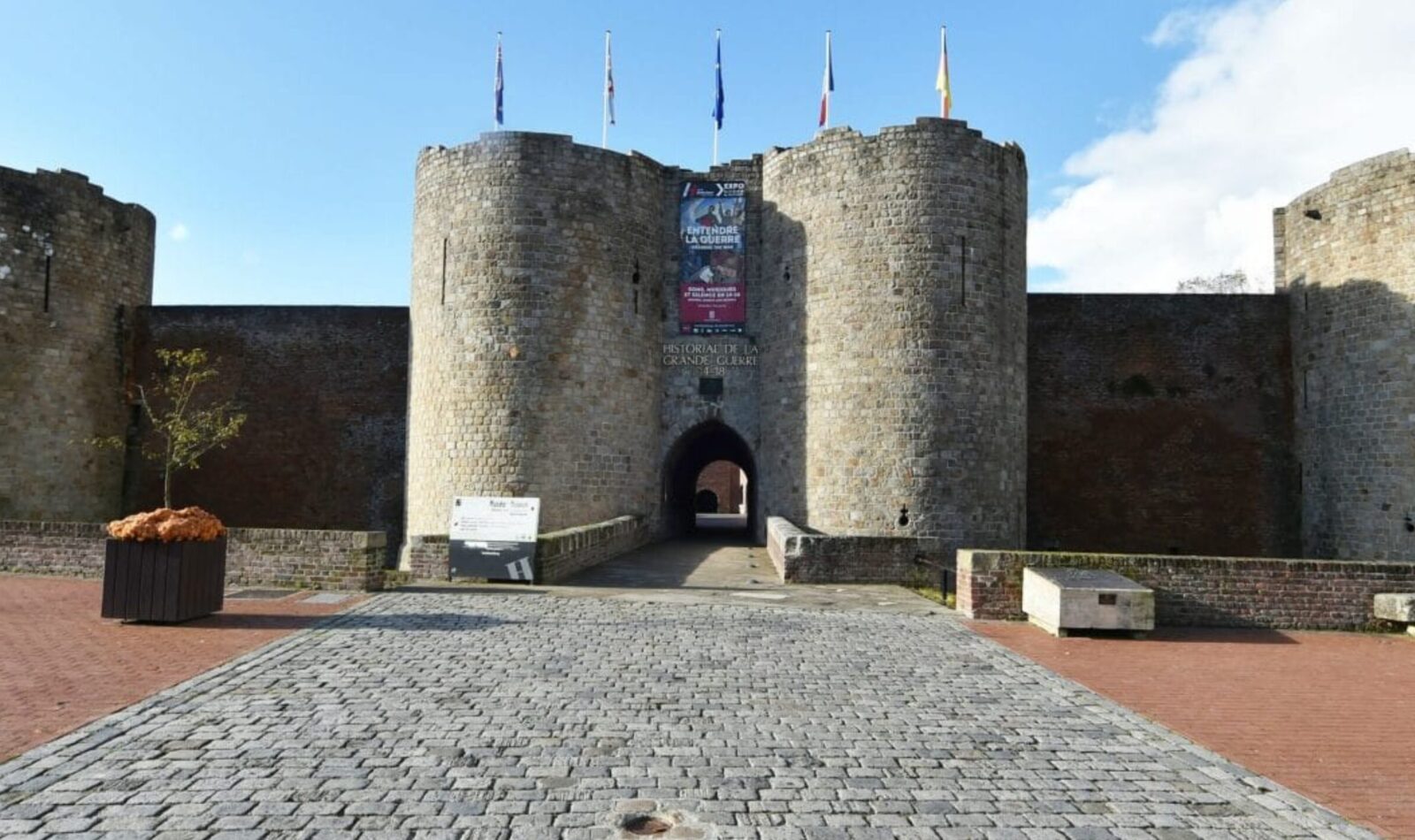
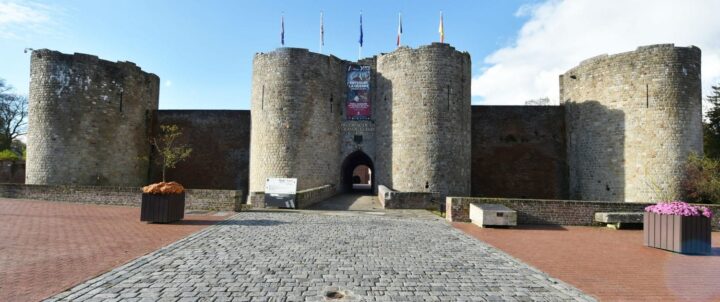
Opened in 1992, the Historial of the Great War is the first major museum in the Somme dedicated to the First World War. The building is part of the rebuilt remains of the 13th-century castle of Péronne, located in the heart of the town. As a leading museum on the period, it explores the First World War through its many cultural, social and military dimensions, while comparing the perspectives of the three principal European nations on the Western Front: France, Germany and the United Kingdom.
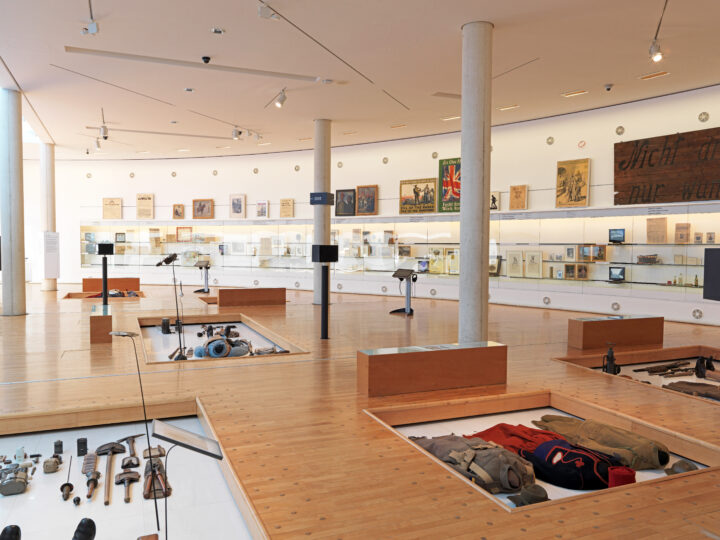
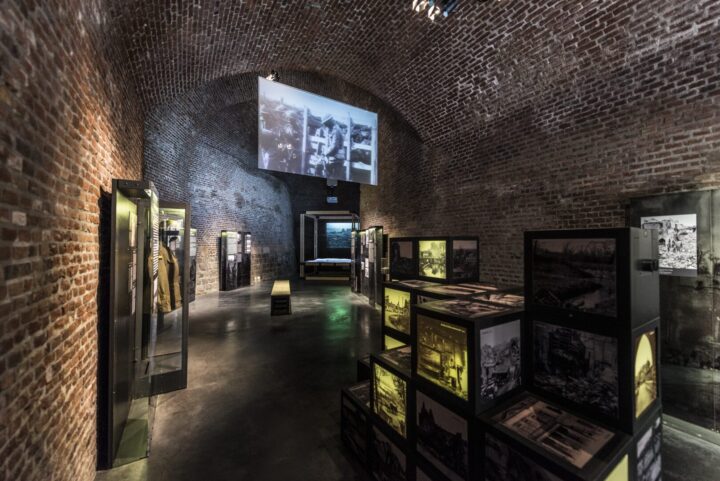
The museum exhibits a collection of nearly 75,000 items in carefully curated displays. The collection includes many important artworks – particularly those by the German artist Otto Dix, who fought in the war. Since 2015, one of the exhibition spaces has been dedicated to the role of Australian forces in the battles fought in the surrounding area.
The Historial of the Great War also houses the Historial’s International Research Centre, which brings together leading academics specialising in the First World War history. They contribute to the museum’s historical narrative and permanent exhibition and are committed to promoting academic research into the causes, events and consequences of the First World War.
Since 2016, the Historial has opened a second museum dedicated to the battlefields of the Somme, near the Thiepval Memorial to the Missing of the Somme.
Useful information:
Address: Château de Péronne, Place André Audinot, 80200 Péronne
Telephone: 03 22 83 14 18
Email address: [email protected]
Mont Saint-Quentin
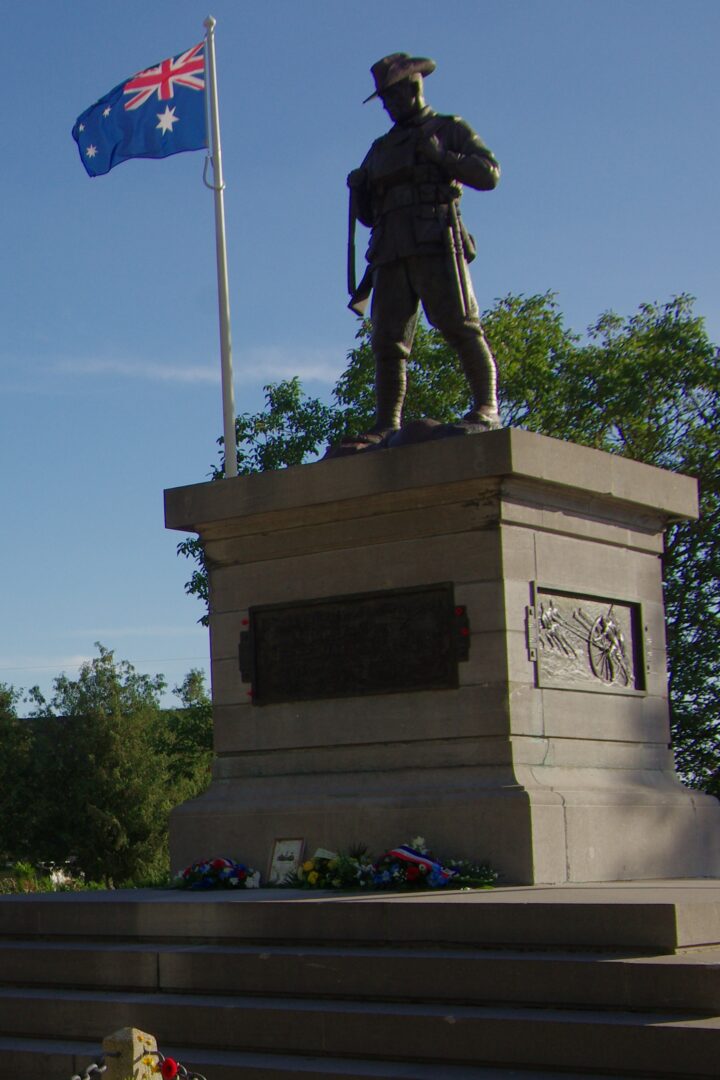
Just north of Péronne, atop the Mont Saint-Quentin, stands the Australian 2nd Division Memorial, overlooking the site of one of the Division’s greatest victories. Visitors can explore the memorial and follow an interpretive trail to learn about the key stages of the battle and actions carried out on these battlefields.
More information about the trail here (Historial.fr)